Scared of Heights But Want to Try Aerial? Here's the Actual Progression That Works
Quick Answer: Fear of heights and aerial fear aren’t the same thing — most aerial anxiety is actually a trust-in-equipment problem, not a height problem. Start at mat height, build trust in the fabric through weight-bearing drills, then increase height in small increments only after your body stops flinching.
You signed up for a trial class and froze the moment your feet left the floor — even 12 inches up. That reaction isn’t a sign aerial isn’t for you. It’s the completely normal first data point in a progression almost every aerialist, including the instructors, went through.

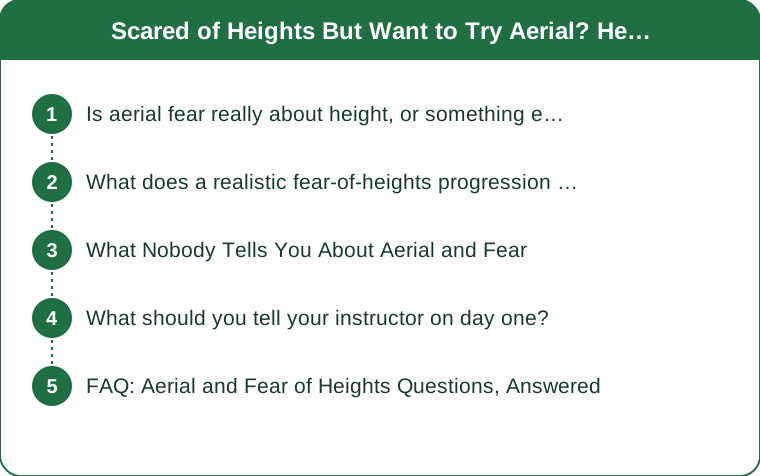
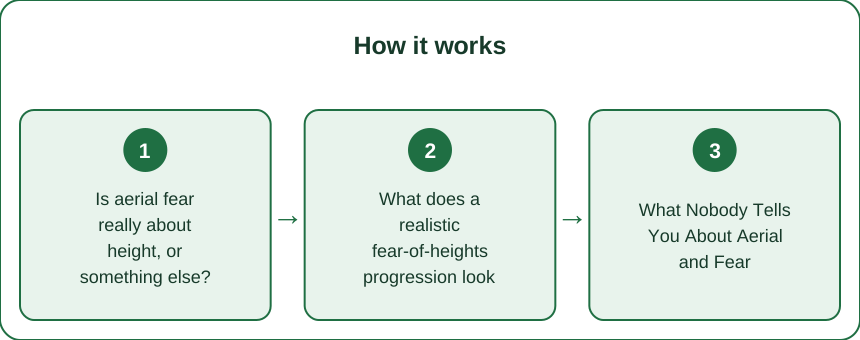
Is aerial fear really about height, or something else?
For most beginners, it’s a trust problem, not a height problem. Your nervous system doesn’t yet believe the fabric will hold you, so even inches off the ground trigger the same response a real fall risk would.
That’s why the fix isn’t ‘get used to heights’ — it’s building physical trust in the equipment through repetition at heights where a slip means nothing worse than a soft landing.
What does a realistic fear-of-heights progression look like?
Weeks 1-2: All work stays at or below standing height. Repeated wraps, sits, and simple inversions where your head is never far from the mat. The goal is pure equipment trust.
Weeks 3-5: Height increases only to where a controlled drop-out is still comfortable — roughly waist to shoulder height above the mat. Every new height gets repeated 3-4 times before moving up again.
Week 6+: Height increases become instructor-guided based on your visible comfort, not the calendar. Some students plateau at a height for a month — that’s normal, not a failure to progress.

What Nobody Tells You About Aerial and Fear
Here’s the part beginners rarely hear: experienced aerialists still get nervous on new moves. The difference isn’t fearlessness — it’s a trained ability to keep working through a normal fear response instead of needing it to disappear first.
Instructors watch for grip tension and breath-holding more than they watch for verbal fear — your body tells them what height is actually appropriate long before you’d think to say something.
What should you tell your instructor on day one?
Say it plainly: ‘I have a fear of heights, please keep me low today.’ Good aerial instructors hear this constantly and have a standard low-height lesson plan ready — you’re not derailing the class by asking.
What you shouldn’t do is push past your instructor’s height suggestion to keep up with the group. Aerial injuries cluster around students exceeding their trust level, not around students who asked to stay low.
FAQ: Aerial and Fear of Heights Questions, Answered
How long does it take to get comfortable with height in aerial?
Highly individual — some students are comfortable at shoulder height within a month, others take 3-6 months. Consistency (weekly classes) matters more than any timeline.
Do I need to ‘get over’ my fear before starting aerial?
No — most students start aerial specifically because ground-level progressions let them work with the fear gradually, rather than needing it resolved first.
Is aerial actually dangerous for beginners?
With a spotter, crash mat, and instructor-guided height progression, beginner aerial has a low injury rate — most incidents involve students working above their trained height, which a good progression plan prevents.
TL;DR:
- Aerial fear is usually equipment trust, not height itself — build trust through repetition at low height first
- Increase height only when comfort, not calendar, says you’re ready
- Even experienced aerialists feel nervous on new moves — that never fully goes away
- Tell your instructor about the fear on day one; it’s a normal, expected request
Start at mat height, repeat until it’s boring, and let height increase find you — not the other way around.
See It in Motion
Seen here: High Waist Bootcut Yoga Pants — shop it on bubblelime.com
Keep Reading
This article is for general informational and styling purposes only. Fit, sizing, and product availability may vary.