How to Actually Prevent Rope Burn in Aerial Silks (Not Just Toughing It Out)
Quick Answer: Most rope burn comes from technique, not toughness — specifically gripping too tight and sliding instead of wrapping. Long sleeves, proper wrap technique, and a grip aid prevent more burn than months of ‘toughening up’ ever will.
Every new aerialist gets told the same thing: rope burn is just part of it, your skin will toughen up eventually. Some of that’s true. But a lot of what gets written off as inevitable is actually a fixable technique problem.

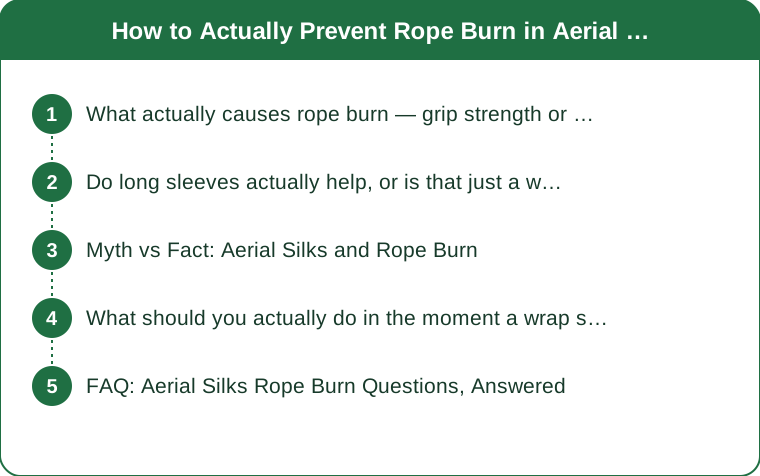
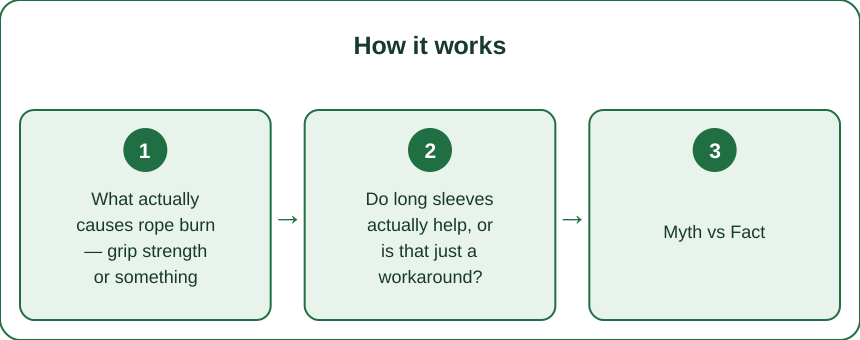
What actually causes rope burn — grip strength or something else?
Sliding friction, not grip strength. Burn happens when fabric moves rapidly across skin under tension — which is exactly what happens when a wrap isn’t set fully before weight goes on it, or when you catch yourself mid-drop instead of controlling the descent.
Stronger grip doesn’t prevent this; better wrap technique does. A fully-seated wrap distributes tension across fabric-on-fabric contact instead of fabric sliding directly against skin.
Do long sleeves actually help, or is that just a workaround?
They genuinely help, and most professional aerialists wear them for exactly this reason — it’s not a beginner crutch. A thin, close-fitting long sleeve (not baggy — baggy fabric bunches and creates its own friction) adds a layer between skin and silk without meaningfully reducing your grip feel.
The workaround framing usually comes from a misunderstanding: sleeves aren’t hiding a technique problem, they’re removing one variable so you can focus on the wrap itself while you’re still learning it.

Myth vs Fact: Aerial Silks and Rope Burn
Myth: Burn means you’re gripping correctly and just need tougher skin. Fact: Burn usually means the wrap slipped before it was weighted, which is a control issue, not a toughness issue.
Myth: Chalk prevents burn. Fact: Chalk improves grip and reduces slipping in sweaty conditions, which indirectly helps — but it’s not a burn barrier on its own.
Myth: Experienced aerialists don’t get rope burn. Fact: They get it far less often, but new drops, new fabric, or fatigue at the end of a long session can still cause it at any level.
What should you actually do in the moment a wrap starts to slip?
Reset before it burns, don’t fight through it. The instinct is to grip harder and push through, which is exactly what increases friction and burn severity. Instead, drop your weight slightly to release tension, re-seat the wrap fully, and re-engage.
This takes half a second longer than pushing through, and it’s the difference between a clean re-grip and a burn mark you’ll feel for a week.
FAQ: Aerial Silks Rope Burn Questions, Answered
How long does it take to stop getting rope burn as a beginner?
Most people see it drop off significantly within 2-3 months as wrap technique improves — it’s a skill timeline, not just a skin-toughening timeline.
Is grip aid or chalk better for preventing burn?
Both reduce slipping in different conditions (chalk for sweat, liquid grip aids for dry skin) — neither replaces correct wrap technique as the primary prevention.
Should beginners wear sleeves in every class?
It’s a reasonable default while you’re still building wrap consistency, and many experienced aerialists keep wearing them long-term simply because it works.
TL;DR:
- Rope burn is mostly a technique problem, not a toughness problem
- Sleeves are a legitimate protective layer, not a beginner shortcut
- Chalk and grip aids help with slipping but don’t replace correct wrapping
- If a wrap starts to slip, reset it — don’t grip harder and push through
Give your technique the credit your skin has been taking for months. The wrap, not the callus, is what actually stops the burn.
See It in Motion
Seen here: Racerback Tank Top - White — shop similar styles on bubblelime.com
Keep Reading
This article is for general informational and styling purposes only. Fit, sizing, and product availability may vary.