Aerial Silks Calluses: How Much Is Normal and When It's Actually a Problem
Quick Answer: Mild, even calluses on the palms and fingers from regular practice are normal and actually protective. Sharp pain, swelling, numbness, or calluses that crack and bleed are not — those need a technique check or a rest week, not more grip.
Your hands look rougher than they did a month ago and you’re not sure if that’s just “part of aerial” or a warning sign you’re ignoring. Both things are true at different stages, and the line between them is more specific than most beginners are told.

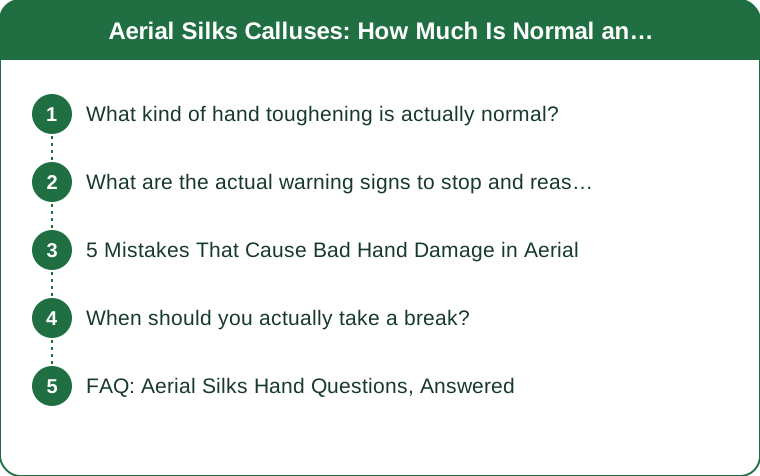
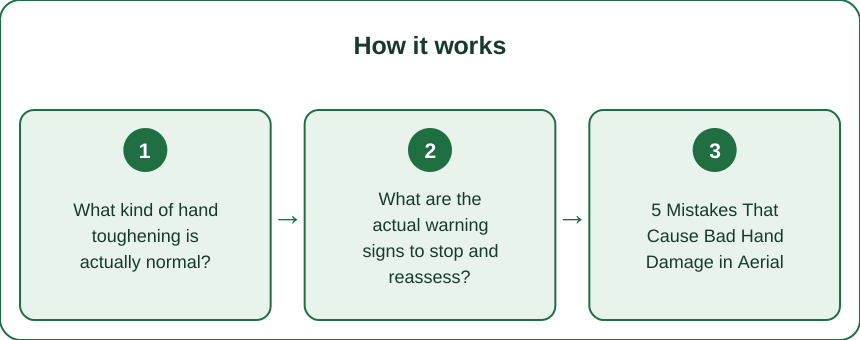
What kind of hand toughening is actually normal?
Even, thickened skin across the palm and the base of the fingers, developing gradually over weeks — this is your body adapting to repeated friction, the same way a guitarist’s fingertips or a climber’s palms toughen. It’s protective, not damage.
Mild tenderness the day after a heavy grip session is also normal, similar to any new muscle group being sore. It should ease within 24-48 hours, not linger or worsen.
What are the actual warning signs to stop and reassess?
Cracking or bleeding calluses — this means the skin toughened unevenly and is now a wound risk, not protection. Numbness or tingling in fingers post-class can signal nerve compression from grip technique, not just fatigue. Sharp, localized pain (versus general soreness) anywhere in the hand or wrist during a wrap or climb needs an immediate stop, not a push-through.
Any of these three means the fix is technique or rest, not toughing it out.

5 Mistakes That Cause Bad Hand Damage in Aerial
1. Gripping harder than the move requires. Excess grip strength doesn’t add safety — it adds friction damage. Most falls are prevented by wrap technique, not raw grip force.
2. Skipping tape or grip aids when hands are already irritated. Pushing through visible irritation without protection compounds the damage fast.
3. Not moisturizing on rest days. Overly dry calluses crack more easily — nightly hand cream on non-training days keeps skin flexible enough to toughen evenly.
4. Ignoring asymmetric calluses. One hand rougher than the other usually means uneven wrap technique, not just handedness — worth mentioning to an instructor.
5. Training through numbness. This is the one that gets missed most — numbness is a nerve signal, not a toughness threshold to push past.
When should you actually take a break?
Take at least a few days off grip-heavy work if you notice cracking, persistent numbness, or pain that doesn’t ease within 48 hours. This is a genuine see-a-professional situation if numbness or sharp pain persists beyond a week — nerve issues don’t self-resolve with more repetition, and pushing through can extend recovery time significantly.
This is general information, not medical advice — when in doubt, a hand specialist or sports medicine provider beats guessing.
FAQ: Aerial Silks Hand Questions, Answered
How long until aerial calluses stop hurting?
Most people find the tender phase eases within 3-6 weeks of consistent practice as skin thickens — it doesn’t disappear, but it stops being painful day-to-day.
Should beginners use grip aids or tape?
Many studios recommend light taping on high-friction spots for the first 4-6 weeks while calluses build, then tapering off as skin adapts.
Is it normal for calluses to look different on each hand?
Slightly, yes — but a large asymmetry usually points to uneven wrap technique worth flagging to your instructor rather than a normal handedness quirk.
TL;DR:
- Even, gradual toughening is normal and protective — that’s not a problem
- Cracking, numbness, or sharp pain are stop-and-reassess signals
- Excess grip force causes more damage than it prevents
- Numbness beyond a week needs a professional, not more repetition. This is general information, not medical advice.
See It in Motion
Seen here: UPF 50+ Short Sleeve Rashguard Swim Shirt — shop it on bubblelime.com
Keep Reading
This article is for general informational and styling purposes only. Fit, sizing, and product availability may vary.