Why Aerial Silks Give You Calluses in Weird Places — and When That's a Problem
Quick Answer: Calluses on the palm and inner fingers from aerial silks are normal grip adaptation, especially in the first few months. Sharp pain, numbness, or marks on the wrist bone itself are different signals worth mentioning to an instructor.
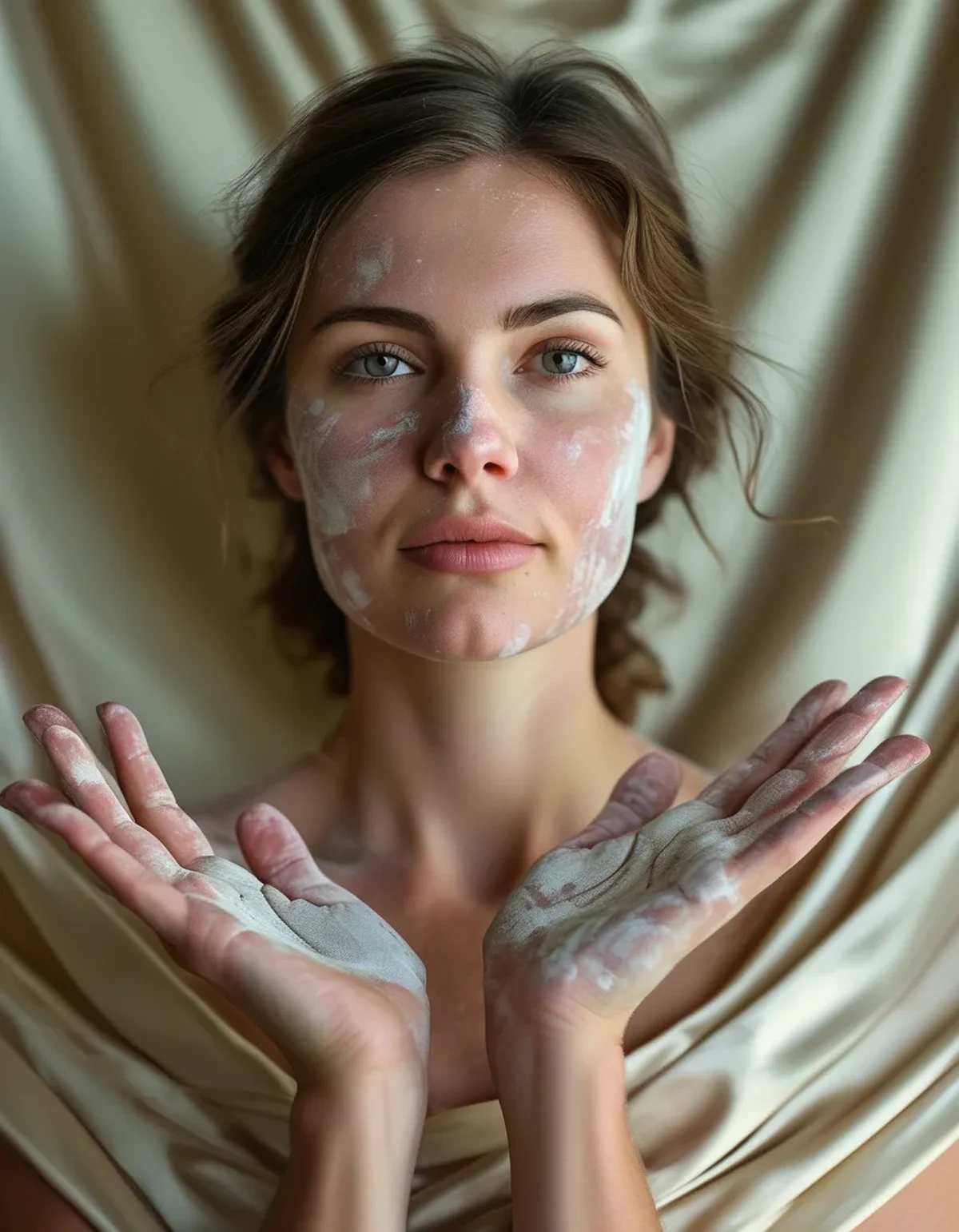
A few weeks into aerial silks, your hands start looking different — thicker skin in spots you never noticed before, sometimes on the side of a finger or the base of the palm instead of where you’d expect. It’s a strange, slightly alarming part of the learning curve nobody quite explains up front.
Why do calluses show up in unexpected spots?
Because grip position in aerial work isn’t uniform — different wraps, climbs, and holds load different parts of the hand than everyday gripping does, so callus location often surprises new students the first few months.
A callus on the outer edge of the palm, for instance, usually points to a specific climbing grip putting repeated pressure there, which is completely normal adaptation.
What Nobody Tells You About Aerial Hand Changes
Here’s the part most beginner guides skip: the marks aren’t just calluses. Fabric friction can leave temporary redness or fabric-burn on the inner wrist and forearm too, especially during wrap-heavy sequences, and that’s separate from palm calluses entirely.
Both are typically harmless and fade within a day or two — but they can look alarming to someone new, especially compared side by side with more experienced aerialists whose skin has already toughened.

When is hand or wrist discomfort actually a warning sign?
Sharp, localized pain (versus general soreness), numbness or tingling that lingers after class, or pain specifically on the wrist bone rather than soft tissue are all worth mentioning to your instructor rather than working through.
General soreness and callus formation are expected. Nerve-type symptoms or joint-specific pain are not, and pushing through those specifically raises injury risk.
How do experienced aerialists manage grip wear?
Chalk for moisture control, moisturizing calloused skin on rest days (not training days), and rotating grip types across a session rather than repeating the same climb pattern for the full class.
Many also tape specific pressure points proactively once they know where their own calluses tend to form, rather than waiting for skin to break down first.
FAQ: Aerial Silks Hand Questions, Answered
Are calluses from aerial silks permanent?
With consistent moisturizing on rest days, most recreational aerialists find calluses stay manageable rather than becoming thick or painful — permanence really only becomes an issue with very high training volume and no aftercare.
Should beginners use grip aids or tape?
Many studios recommend starting without aids so your instructor can see your natural grip and correct technique first, then adding chalk or tape once specific pressure points are identified.
When should wrist pain from aerial silks see a doctor?
If pain persists more than a few days after rest, involves swelling, or includes numbness/tingling, that’s a see-a-professional situation rather than something to train through. This is general information, not medical advice.
TL;DR:
- Calluses in unexpected spots reflect real grip variation in aerial work, not a mistake
- Fabric friction marks on the wrist/forearm are separate from calluses and usually fade fast
- Sharp pain, numbness, or wrist-bone-specific pain are different from normal soreness
- Chalk, rest-day moisturizing, and grip rotation manage wear proactively
Most of what shows up on new aerialists’ hands is adaptation, not damage — but knowing the difference matters.
See It in Motion
Keep Reading
This article is for general informational and styling purposes only. Fit, sizing, and product availability may vary.