Aerial Silks Calluses: What Is Normal, What Is a Warning Sign, and How to Care for Your Hands
Quick Answer: Thick, painless calluses are a normal part of aerial training and should not be filed down completely — but hot spots, blisters under a callus, or numbness in your fingers are warning signs that mean you should rest and check your wrap technique.
Your hands look rougher every month you train, and mostly that’s fine — it’s your grip adapting. But there’s a real line between ‘aerial hands’ and an injury quietly forming underneath one, and it’s worth knowing where it is.

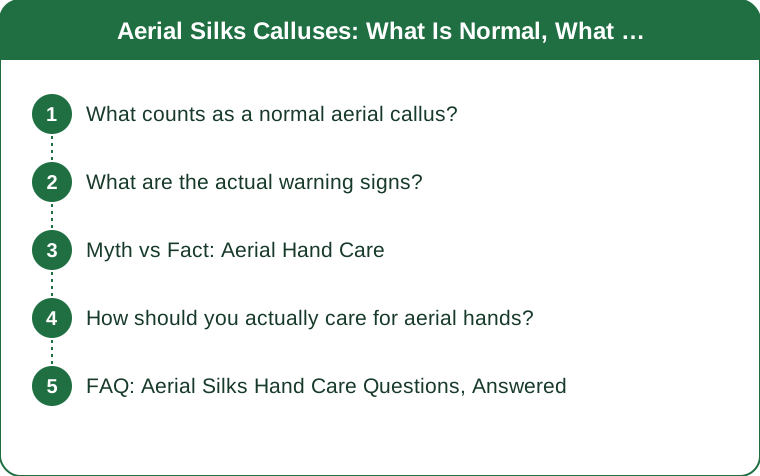
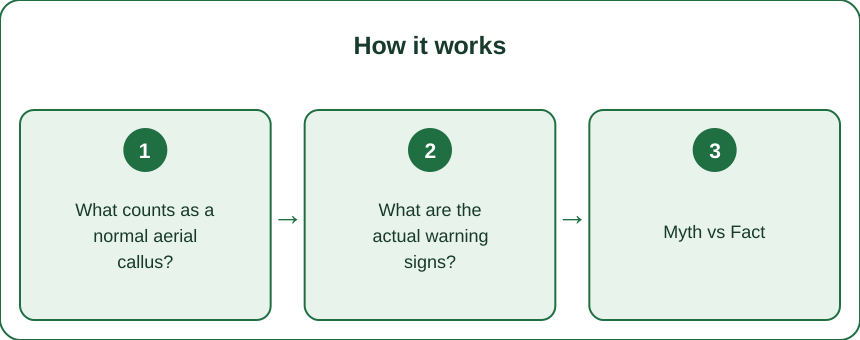
What counts as a normal aerial callus?
A firm, thickened, painless patch of skin, usually across the base of the fingers and the palm where the silk wraps most. It builds gradually over weeks of consistent training and doesn’t hurt during grip.
This kind of callus is protective — it’s your skin’s response to repeated friction, and most aerialists keep a light layer of it intentionally rather than filing it away completely.
What are the actual warning signs?
Blisters forming under an existing callus — a soft, fluid-filled bump beneath thick skin means friction is happening at a new depth, and continuing to train on it can tear the callus off entirely.
Numbness or tingling after class that doesn’t resolve within an hour can point to nerve compression from wrap technique, not just normal fatigue.
Sharp, localized pain during a specific move (as opposed to general grip fatigue) is never ‘just calluses’ — it needs a look, possibly from a professional.

Myth vs Fact: Aerial Hand Care
Myth: Filing calluses down keeps your grip stronger. Fact: Removing all thickened skin resets your hands to zero protection — most experienced aerialists file only rough edges, never the full callus.
Myth: Chalk prevents all hand damage. Fact: Chalk manages sweat and grip, but it doesn’t change friction from bad wrap technique — a poor wrap will still cause hot spots, chalk or not.
Myth: Tape is a shortcut for undertrained hands. Fact: Tape is a legitimate tool many experienced aerialists use during high-volume weeks, not just a beginner crutch.
How should you actually care for aerial hands?
Moisturize between sessions, never right before class (softened skin tears more easily under friction). Use a pumice stone gently on rough edges only, roughly once a week, not after every class.
If a blister does form, don’t peel the skin over it — keep it clean, protected, and give it 48-72 hours before your next high-grip session.
FAQ: Aerial Silks Hand Care Questions, Answered
Is it normal for aerial silks to hurt your hands as a beginner?
Some soreness and redness in the first few weeks is expected as skin adapts. Sharp pain or open skin is not — that’s a technique or wrap issue worth addressing early.
Should I stop training if I get a blister?
Rest that specific grip pattern for 48-72 hours. Full-stop rest isn’t always necessary, but training directly on an open blister risks infection.
Do gloves help protect aerial hands?
Some aerialists use grip aids during heavy training blocks, but many silks disciplines discourage gloves since they change your feel for the fabric — check with your instructor before relying on them regularly.
TL;DR:
- Firm, painless calluses are normal and protective — don’t file them completely away
- Blisters under a callus, numbness, or sharp localized pain are real warning signs
- Moisturize between sessions, not right before class
- A blister needs 48-72 hours rest on that grip pattern before returning
This is general information, not medical advice — persistent pain or numbness is worth a professional check.
See It in Motion
Seen here: Bootcut Capri Yoga Pants with Pockets — shop similar styles on bubblelime.com
Keep Reading
This article is for general informational and styling purposes only. Fit, sizing, and product availability may vary.